

Medical device packaging decisions depend on evidence. A pouch may look well sealed. A tray may appear strong. A carton may seem ready for distribution. However, visual assumptions fail when a package must protect a sterile device through sealing, sterilization, shipping, storage, and point-of-use handling.
This reality elevates laboratory testing from a mere final checkpoint to a core engineering requirement.
For OEMs, ISO/IEC 17025 lab accreditation packaging data can help turn package questions into documented answers. Is the seal strong enough? Are there seal leaks? Will the sterile barrier hold up after aging? Did distribution simulation damage the packaging system? Are test methods controlled, repeatable, and appropriate for the device risk?
To answer these questions with regulatory certainty, manufacturers turn to specialized validation lab services for packaging. This guide explains how accredited testing supports medical device packaging, sterile barrier testing, packaging validation, and better quality decisions. Beyond the general framework, we examine the strict requirements for heat-sealed peel pouches, trays, barrier films, and medical primary packaging used in regulated manufacturing.
Why ISO/IEC 17025 Matters for Packaging Testing
ISO/IEC 17025 is the international standard for testing and calibration laboratories. In practical terms, it verifies that a lab can produce valid results through controlled methods, qualified personnel, calibrated equipment, impartiality, and consistent laboratory operations.
The impact of this standard extends far beyond the laboratory walls. Test results support design decisions, validation reports, quality reviews, supplier discussions, and regulatory submissions. A test report is valuable only when the underlying data is generated under an explicitly controlled system.
This rigorous data control directly informs critical commercial paths, including:
- Whether a pouch material should move forward
- Whether a sealing process needs adjustment
- Whether a sterile barrier system can support the shelf life claim
- Whether distribution simulation exposed damage
- Whether a packaging defect is isolated or recurring
It is important to distinguish this technical standard from broader organizational certifications. ISO/IEC 17025 does not replace ISO 13485. It serves a different function. ISO 13485 supports the quality management system for medical device organizations. ISO/IEC 17025 supports the technical competence of the laboratory producing test and calibration results. When both are understood correctly, packaging teams can connect product quality, lab data, and quality assurance with less confusion.
Recognizing this distinction allows OEMs to choose the right kind of evidence. A supplier certificate, internal inspection, routine product testing result, and accredited lab report may all have value, yet they do not carry the same weight or answer the same question.
Designing a Multi-Phased Packaging Validation Plan
Packaging validation is rarely built on one result. Sterile barrier packaging must perform across a sequence of stresses: sealing, sterilization, aging, handling, distribution, storage, and opening. A package can pass seal strength testing and still fail integrity testing. A tray can survive distribution and still create a difficult opening experience. A pouch can look acceptable during visual inspection and still have a channel that allows leakage.
ISO 11607 establishes the central framework for packaging systems used for terminally sterilized medical devices. It addresses materials, sterile barrier systems, packaging systems, and process validation. In a validation plan, the standard helps the team connect package design with forming, sealing, assembly, aging, and final performance.
To implement this framework effectively, a test plan typically starts with a risk assessment. The device geometry, sterile barrier format, packaging materials, sterilization process, shipping route, and shelf life target all influence which tests make sense. Orthopedic implants, for example, bring mass, sharp edges, textured surfaces, or rigid tray requirements. For sterile orthopedics, the packaging system must protect the implant and maintain sterile barrier integrity while supporting clean transfer in the operating room.
Because these variables interact continuously, testing should ideally begin before the final design is locked. Early prototype testing can reveal weak seals, material mismatch, abrasion points, or tray fit issues while design changes are still possible. From that initial baseline, the test plan can be built around the risks that matter most: seal strength, package integrity, aging, distribution, material behavior, and environmental exposure.
What Accredited Packaging Labs Commonly Test
A packaging validation plan should match the product and packaging system. Still, several test families appear often in medical device packaging programs.
| Testing Area | What It Helps Evaluate | Common Standards or Methods |
| Seal strength | Whether the seal has enough strength for handling, distribution, and opening | ASTM F88, Peel Strength Testing, seal strength testing |
| Package integrity | Whether leaks, channels, or breaches are present | ASTM F2096, ASTM F1886, ASTM F1929, ASTM F3039, ASTM F2338 vacuum-decay testing |
| Aging | Whether time affects sterile barrier integrity or material performance | ASTM F1980, Accelerated Aging, Real-Time Aging |
| Distribution | Whether shipping and handling damage the package or product | ASTM D4169, ISTA standards, distribution simulation |
| Material behavior | Whether packaging materials meet performance needs | Gurley porosity per TAPPI T460 or ASTM D726 for porous sterile barrier materials, barrier films, tensile strength, coating tests |
| Environmental exposure | Whether temperature, humidity, light, or UV exposure affects materials | Environmental Conditioning, Environmental Testing, ASTM G154, ASTM G155 |
These standardized protocols are not generic checklists; they are specific tools that must be tailored to the package architecture. A heat-sealed peel pouch with a porous side may need dye penetration testing under ASTM F1929. A nonporous flexible package may point toward ASTM F3039. A tray or pouch may be evaluated for leaks through Bubble Emission Testing under ASTM F2096. A package that needs nondestructive testing may be reviewed for vacuum-decay testing under ASTM F2338, which applies to nonporous rigid and semi-rigid packages, depending on materials and configuration.
On the material side, Gurley porosity is a standard incoming-material check for porous sterile barrier materials such as medical-grade papers and uncoated Tyvek. It measures the time required for a fixed volume of air to pass through the material, which relates to both microbial barrier performance and sealing behavior. It evaluates the material, not the finished package, and should be planned as a material qualification test rather than a package integrity test.
Ultimately, the report is only as useful as the test question. “Did this package pass?” is too narrow. A better question is: “Does this test give enough evidence for the packaging risk we are trying to control?”
Seal Integrity and Seal Strength Are Different Questions
Answering that question requires a clear understanding of the physical properties being evaluated. Seal integrity and seal strength are often discussed together, but they measure distinct physical properties.
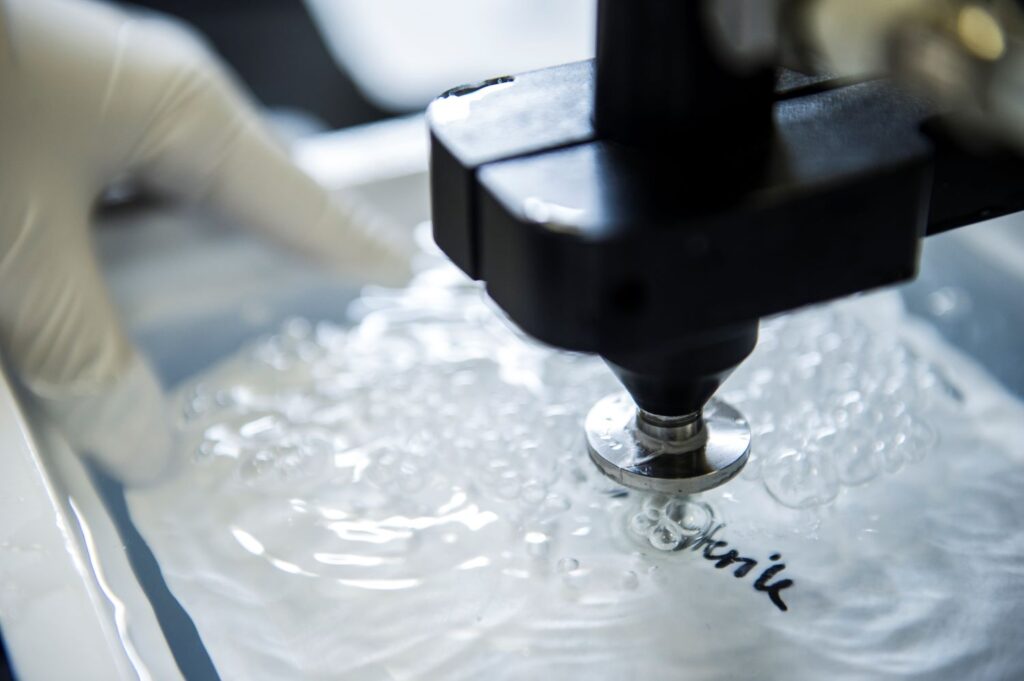
Seal strength testing looks at the force required to separate sealed materials. ASTM F88 is commonly used for flexible barrier materials, including peelable seals. Peel Strength Testing can help teams understand whether a seal is too weak, too aggressive, or inconsistent across samples.
Conversely, seal integrity testing looks for defects that could compromise the sterile barrier. Seal leaks, channels, punctures, wrinkles, or other defects may allow contamination or product exposure. Package Integrity Testing may include visual inspection under ASTM F1886, Dye penetration testing under ASTM F1929 or ASTM F3039, Bubble Leak Testing under ASTM F2096, or vacuum-decay testing under ASTM F2338 when the package is nonporous and the configuration supports that method.
Both types of testing matter. A seal can be strong and still have a small leak. A seal can be intact but too difficult to open cleanly. In sterile barrier packaging, the goal is not maximum strength. The goal is controlled, validated performance.
This matters for medical primary packaging such as pouches, trays, and sterile barrier systems. It also matters for routine production monitoring. If seal failures appear during Routine Product Testing or Defect Audits, the issue may be related to sealing temperature, dwell time, pressure, material variability, equipment condition, operator setup, or raw materials.
Aging and Shelf Life: What Time Can Change
While initial strength and integrity are vital at release, a sterile package must perform through its labeled shelf life. Time can affect adhesives, seal areas, films, paper, coatings, tray materials, labels, and protective packaging. Real-time and Accelerated Aging studies those changes in a controlled environment.
ASTM F1980 is commonly used to develop accelerated aging protocols for sterile barrier systems and medical devices. Accelerated Aging can support earlier decision-making while Real-Time Aging continues. The two should be planned together. Accelerated data can help move a program forward, but real-time results are still needed to support the actual shelf life claim.
Engineers should avoid optimistic assumptions. A material that performs well at time zero may become brittle, curl, discolor, lose peel consistency, or show changes after sterilization and aging. Heat-sealed peel pouches, barrier films, cartons, trays, and labels can all behave differently after time, temperature, humidity, and handling.
Environmental Conditioning can help prepare samples for testing under defined conditions. Environmental Testing may also be used when packaging materials need to be challenged by temperature, humidity, UV exposure, or other conditions tied to the use case. For packaging components with a known light-exposure risk, such as printed cartons or labels held in uncontrolled storage, UV testing services under ASTM G154 or ASTM G155 may help evaluate light exposure effects. Coating Testing may also be appropriate when a printed or coated surface has a specific durability, adhesion, or appearance requirement, though these methods sit outside the core ISO 11607 packaging validation set and should be selected against a defined performance question.
Rather than applying these protocols universally, they should be used selectively when the material, coating, label, or packaging component has a specific performance risk. Once the aging parameters are established, the next phase must evaluate how the package survives physical transit.
Distribution Simulation and Shipping Evidence
Packaging performance is often tested after the package has been aged and exposed to distribution simulation. That sequence matters because the package should survive the stresses it will face in the real supply chain.
ASTM D4169 is commonly used to evaluate shipping containers and systems through a sequence of anticipated distribution hazards. ISTA standards may also be used depending on the product, shipping route, and customer requirements. These tests can expose compression damage, vibration effects, drops, impact, pallet movement, carton weakness, or internal product movement.
Crucially, the outer shipper is only one part of the review. After testing, the team should inspect the carton, labels, tray, pouch, inserts, sterile barrier system, and device position. A shipping carton may look acceptable while the inner sterile barrier shows scuffing, creasing, or seal stress.
For example, in sterile orthopedic products, distribution testing carries heightened importance. An implant may be heavy, sharp, polished, coated, or supplied in multiple sizes. A package that protects a lightweight accessory may fail when holding a dense implant or fusion device. Distribution testing helps show whether the packaging system can protect the device and sterile barrier through the supply chain.
Test Method Development and Specification Development
Standard test methods are valuable, but they do not remove the need for judgment. Some packaging systems require Test Method Development because the standard method must be adapted to the package configuration, product risk, or inspection requirement.
That work should be documented carefully. The lab and OEM may need to define sample orientation, conditioning, acceptance criteria, measurement points, number of samples, reporting format, and failure categories. Specification Development may also be needed when an OEM has to set seal strength ranges, visual inspection criteria, leak-test limits, or routine monitoring expectations.
This is where a Material Testing Laboratory provides strategic value. The lab does not just run samples; it helps define whether the test method answers the right question.
Project-Based Testing can be useful during development, troubleshooting, or supplier changes. Routine Product Testing may be more appropriate once the package is validated and the manufacturing facility needs ongoing monitoring. Facility Auditing and Defect Audits can help identify whether problems are coming from materials, equipment, process setup, handling, or training.
When nonconforming materials appear, the test plan should help separate symptoms from causes. A seal leak may point to the pouch, the sealer, the operator setup, the material lot, or the product fit. A disciplined test plan makes the investigation easier.
Lab Data, Reporting, and Digital Quality Tools
Packaging validation produces a lot of data. Seal curves, leak results, aging intervals, visual inspection outcomes, distribution observations, raw material lots, calibration records, and environmental conditions all need to be reviewed.
Some Brand Owners and OEMs are moving toward digital reporting, a Data visualization platform, and Advanced Analytics to make this information easier to compare across programs. Used well, these tools can show trends in seal strength, identify repeated defect types, compare suppliers, or flag shifts in material behavior. IT techniques can also help connect laboratory data with eQMS records, supplier files, and validation reports.
However, the governance of these platforms must remain uncompromising. Digital tools should make the data clearer, not less traceable. A chart is useful only when the underlying records are controlled. A dashboard should not replace the actual test report, calibration record, or approved validation summary.
Advanced tools may help teams respond to market conditions, supply chain changes, or raw materials constraints. They may also support Sustainability Analysis when OEMs compare packaging weights, PCR and PIR materials, or sustainable packaging options. Still, Sustainable Packaging decisions must be reviewed against sterile barrier integrity, ISO 11607, product certification needs, and regulatory standards.
A more sustainable material is not a viable alternative if it creates seal leaks, weakens barrier performance, or triggers an unplanned validation burden.
How ISO 17025 Supports Regulated Manufacturing Decisions
In regulated manufacturing, test results often travel far beyond the lab. They may appear in validation files, supplier records, risk assessments, regulatory documentation, customer reviews, and quality investigations. That is why laboratory competence matters.
ISO/IEC 17025 accreditation supports compliance by establishing:
- Test method control
- Equipment calibration
- Personnel competence
- Traceability of measurements
- Reporting discipline
- Impartiality
- Handling of test samples and records
This does not mean an accredited lab automatically answers every packaging question. The OEM still has responsibility for risk assessment, acceptance criteria, regulatory strategy, and final quality decisions. The lab provides controlled testing and valid results within its scope.
That scope demands careful verification. Before selecting a lab, OEMs should confirm which tests are covered, which methods are accredited, and which services may be outside the accredited scope. A lab may offer Package Integrity Testing, Peel Strength Testing, Bubble emission, or distribution simulation, but the accreditation scope should be checked against the actual project needs.
Conformity assessment is stronger when the test evidence matches the intended claim. If an OEM needs packaging validation for a sterile device, the report should support the sterile barrier system, package configuration, and acceptance criteria in question.
How PRO-TECH Design Supports Packaging Validation and Lab Services
At PRO-TECH Design, we support medical device contract packaging, assembly, sterilization coordination, and packaging validation planning for OEMs that need documented evidence behind their packaging decisions. That support can be especially useful when a package is moving from prototype testing into validation, routine production, or troubleshooting.
PRO-TECH Design can help OEMs evaluate packaging performance through validation lab services that packaging programs can use for development, validation, and quality review. Depending on the project, that may include seal strength testing, package integrity testing, bubble emission testing, visual inspection, accelerated aging, real-time aging coordination, and sterile barrier testing tied to the device and packaging system.
For sterile orthopedics, diagnostics, cardiovascular or surgical devices, and other regulated medical device products, early lab involvement can help reduce uncertainty before the packaging process is locked. Testing can reveal seal leaks, material mismatch, distribution damage, or package-fit issues while there is still time to adjust the design.
The value is not only in running a test. It is in asking the right questions before the testing begins. What risk is the OEM trying to control? Which method fits the package type? What sample conditioning is needed? What should be inspected after aging or distribution simulation? What acceptance criteria will support the validation file?
When those questions are addressed early, lab data becomes more useful to engineering, quality assurance, regulatory, and production teams. It can support better decisions around medical device packaging, sterile barrier integrity, material selection, sealing parameters, routine monitoring, and change control.
If your team needs ISO/IEC 17025 lab accreditation packaging support, validation lab services for packaging, or help building a testing plan for medical device packaging, PRO-TECH’s team can help connect package design, lab evidence, and production readiness. Contact us today to discuss your packaging goals.
FAQs
What Is ISO 17025 Lab Accreditation for Medical Device Packaging?
ISO 17025 lab accreditation packaging refers to packaging test work performed by a laboratory accredited to ISO/IEC 17025 for applicable testing or calibration activities. For medical device packaging, it can support confidence in seal testing, package integrity testing, aging studies, material testing, and validation evidence.
What Are Validation Lab Services for Packaging?
Validation lab services for packaging may include seal strength testing, seal integrity testing, accelerated aging, real-time aging, distribution simulation, bubble leak testing, dye penetration testing, visual inspection, and material testing. The exact plan should match the device, package, sterilization method, and regulatory requirements.
Why Does ISO/IEC 17025 Matter for Medical Device Packaging?
ISO/IEC 17025 helps demonstrate that a laboratory operates competently and can generate valid results. For medical device packaging, that matters because lab data may support package validation, quality assurance, regulatory documentation, supplier decisions, and product release.
How Does ISO 11607 Relate to Packaging Validation?
ISO 11607 addresses packaging for terminally sterilized medical devices, including materials, sterile barrier systems, packaging systems, and process validation. Packaging test methods are often selected to support ISO 11607 requirements for sterile barrier integrity and packaging performance.
What Is the Difference Between Seal Strength Testing and Seal Integrity Testing?
Seal strength testing measures the force needed to separate sealed materials, often through ASTM F88. Seal integrity testing looks for defects such as channels, leaks, punctures, or other breaches. Both are important because a strong seal can still have a leak, and an intact seal can still be difficult to open.
What Is Accelerated Aging in Medical Device Packaging?
Accelerated aging uses elevated conditions to model the possible effects of time on sterile barrier systems and packaging materials. ASTM F1980 is commonly used for accelerated aging protocols. Real-time aging should continue to support the labeled shelf life.
What Tests Are Used for Sterile Barrier Integrity?
Sterile barrier integrity may be evaluated through visual inspection, Bubble Leak Testing, Bubble Emission Testing, Dye penetration testing, vacuum-decay testing under ASTM F2338 for nonporous packages, and related Package Integrity Testing methods. The right method depends on the package type and material. Porous packages, such as pouches with a breathable Tyvek side, are generally evaluated through dye penetration or bubble emission rather than vacuum decay.
How Does ASTM D4169 Support Packaging Validation?
ASTM D4169 supports distribution simulation by evaluating whether shipping containers and systems can withstand anticipated distribution hazards. It can help identify carton weakness, vibration damage, compression issues, internal movement, or damage to sterile barrier packaging.
What Is Project-Based Testing?
Project-based testing is targeted testing used during development, troubleshooting, supplier changes, package redesign, or validation planning. It differs from Routine Product Testing, which is used to monitor ongoing production after the package and process are established.
How Can PRO-TECH Design Help With Packaging Validation?
PRO-TECH Design can support medical device packaging validation, laboratory testing, sterile barrier testing, aging studies, cleanroom packaging, assembly, and production planning. Its ISO 17025-accredited lab can help OEMs generate packaging evidence for development, validation, and quality review.