
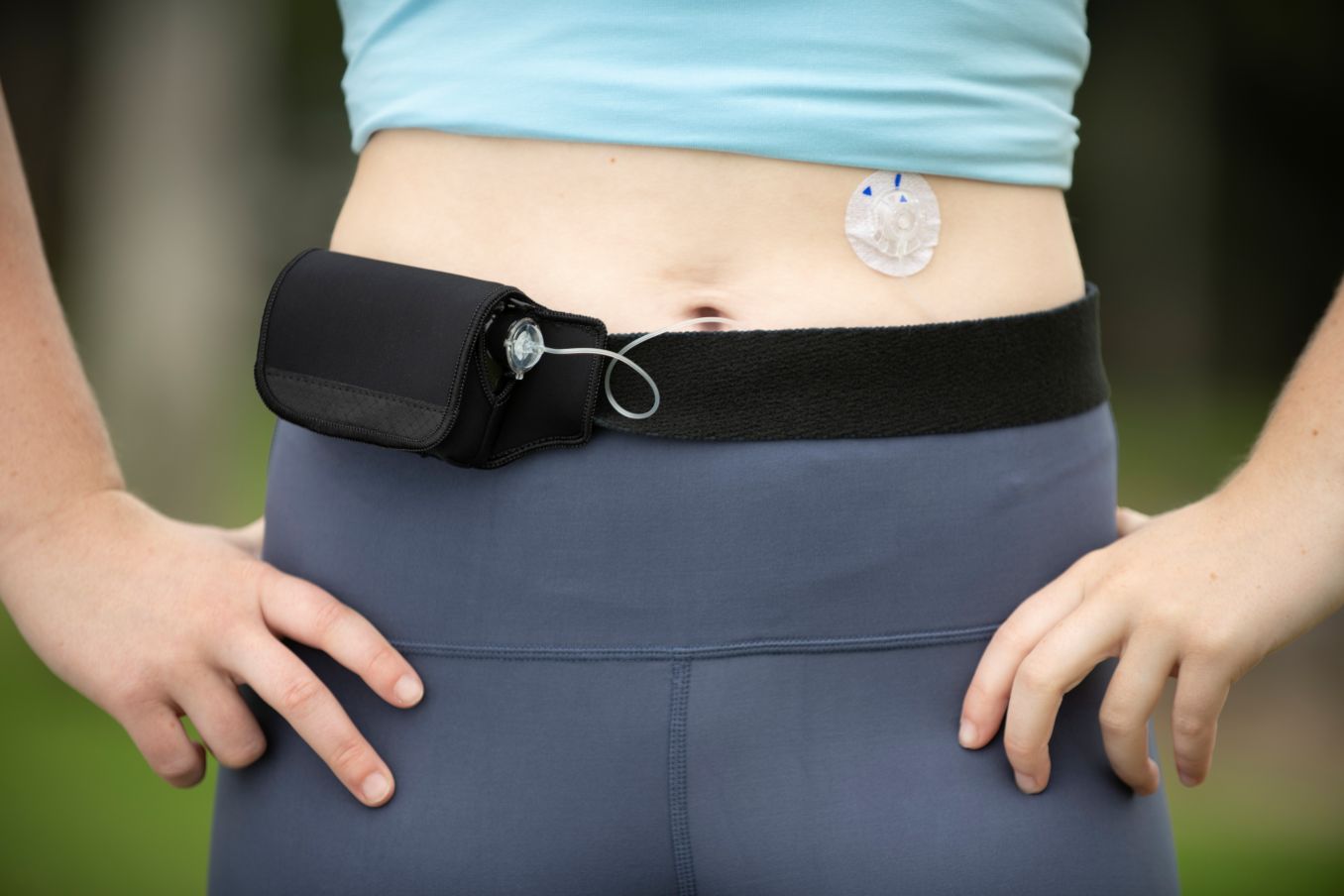
Sewn medical products appear in nearly every domain of healthcare. They provide something technology alone cannot: comfort, stability, breathability, human-factors design, and safe patient contact. Whether it’s a chest strap securing a heart monitor, a pouch holding a glucose monitor, or a soft-sided case to hold a device, medical textiles form the bridge between advanced devices and the patients who rely on them.
For medical innovators, designing these components is only half the challenge. It often also requires partnering with an experienced sewing contractor capable of delivering consistent, safe, ISO-aligned production at scale. And this is exactly where experience, process maturity, and technical capability make the difference between a device that works in theory and one that performs reliably in clinical use.
In this article, we’ll break down why experienced sewn medical manufacturing partners play such an important role—and where their capabilities deliver the greatest value.
The Growing Role of Contract Sewn Medical Manufacturing
Healthcare technology has shifted. Many devices once confined to hospitals now move with the patient—tracking vital signs, supporting therapy, or assisting with chronic disease management.
That shift shows up clearly in adoption data: in a 2024 international survey of nearly 24,000 adults, 44.5% reported owning a wearable device, with especially high ownership among younger and higher-income groups. This transition creates new demands for textiles that behave well on the body and withstand a wide range of environmental conditions. To keep pace, device makers turn to experienced sewing partners who understand how materials react during real movement, extended wear, and repeated use.
Medical Contract sewing supports:
- Wearable monitoring and clinical-grade devices:
Pockets, sleeves, and reinforced enclosures stabilize sensors used by medical-grade monitoring systems, including cardiac wearables and continuous glucose monitoring devices.
- Protective covers:
Textiles provide comfortable, protective covers that make it easier to carry devices. - Patient-facing therapeutic products:
Compression pieces, recovery garments, and lightweight supports influence comfort and treatment adherence. - Hardware stabilization and equipment accessories:
Straps, housings, guides, and mounts hold equipment in place during transport or procedures.
Each category depends on proper fabric selection, validated stitching, and proven methods for scaling production—tasks best handled by an experienced sewing contract manufacturer with regulated medical device experience.
What Defines ISO 13485 Sewn Devices
Producing sewn components for medical devices is fundamentally different from commercial or consumer textile work. An ISO 13485 sewn device must be created within a controlled quality system that aligns with regulatory expectations, risk management principles, and consistent repeatability.
When fabrics, seams, or patterns directly touch the skin—or help position a clinical sensor—every variable matters. ISO 13485 shifts the process from “making a part” to controlling the system that makes the part, and an experienced manufacturing partner approaches sewn components with:
Validated Processes That Hold Their Shape
Every stitch path, seam type, cutting pattern, and tension setting needs validation. That means documented evidence that the method works, continues to work, and produces the same outcome across operators, shifts, and batches.
A chest strap for a heart monitor cannot have weaker seams on Thursdays, or a glucose-monitor pouch cannot have inconsistent stretch on a different operator’s line. In an analysis of FDA 510(k) device recalls, manufacturing process errors accounted for 28.8% of recalls, highlighting how process control directly affects field performance. Validation removes guesswork and protects performance.
Material Qualification and Traceability
Fabrics behave differently depending on weave, denier, coating, and lamination, and ISO 13485 programs help to ensure quality consistency driven by robust processes.
Each batch of material must be traceable—supporting regulatory agencies and downstream quality assurance expectations.
Controlled Stitching and Finishing Methods
The quality system governs how:
- Stitching techniques are selected
- Programmable sewing machines are configured
- Automated cutting machines prepare patterns
- Industrial sewing machines maintain uniform tension
- Operators document work, line checks, and in-process inspections
- Custom stitching patterns are tested before release
This structure keeps sewn components consistent through full production, which is essential for safety-critical items.
Expanded Production Capabilities: What an Experienced Sewing Contractor Brings
Experienced sewing contractors bring far more to a project than sewing machines. The combination of equipment, engineering support, and process maturity ultimately determines whether a sewn medical product scales cleanly—or becomes a bottleneck during commercialization.
Below are core capabilities that set high-level sewn medical manufacturing apart.
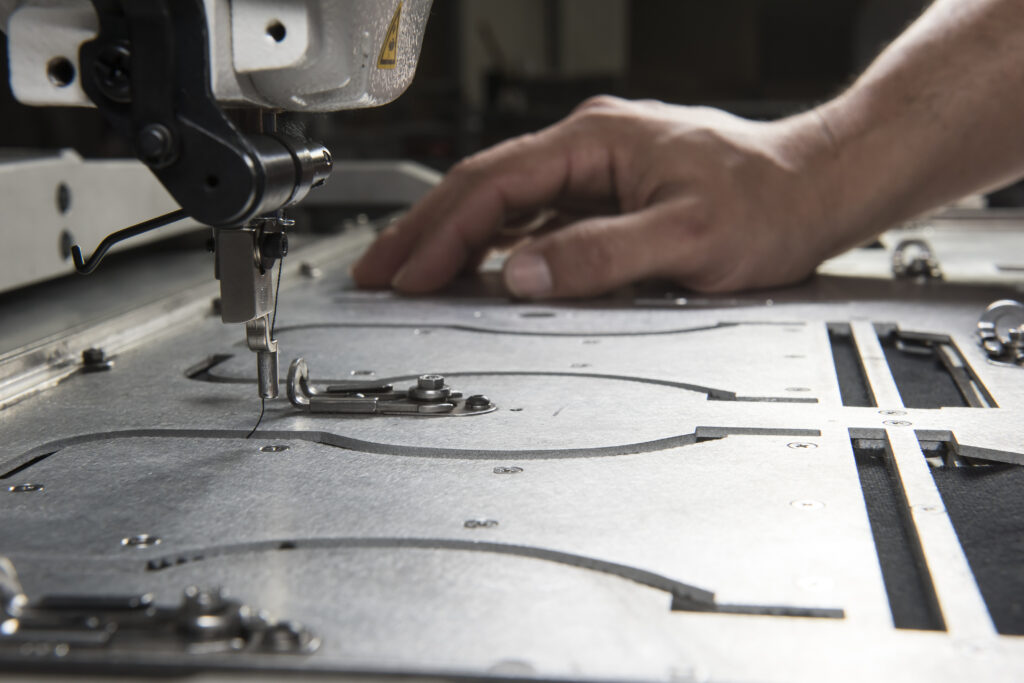
Automated Cutting Machines for Dimensional Stability
Precision-cut shapes form the foundation of textile accuracy. With automated cutting:
- Complex contours remain consistent across thousands of units
- Multi-layer stacks avoid misalignment
- Sensor openings, anchor tabs, and strap lengths remain true to spec
This consistency matters for wearable devices and any component requiring tight tolerances.
Industrial Sewing Machines for Demanding Medical Textiles
These systems deliver predictable tension, high-strength seams, and stability across different fabric types. Industrial machines support:
- Compression garments
- Load-bearing straps
- Sensor support panels
- Multi-layer therapeutic wraps
Consumer-grade equipment simply cannot maintain the same reliability, especially when components must pass structured performance standards.
Advanced Sewing Equipment and Programmable Stitching
The shift toward automated sewing machines and programmable stitching equipment brings measurable advantages:
- Reduced variation
- Faster cycle times
- Repeatable stitch paths
- Consistent seam strength
- Lower defect rates
Custom Stitching Patterns Tailored to the Application
Different clinical devices need different seam behavior, and sometimes that requires experienced hand sewers:
- Zig-zag stitching allows controlled stretch
- Bartack reinforcements lock down load-bearing sections
- Flatlock seams reduce chafing in long-wear applications
- Multi-pass stitching increases durability for reusable devices
These patterns directly influence comfort, durability, and device performance—and they require a sewing contractor capable of selecting and validating the correct approach.
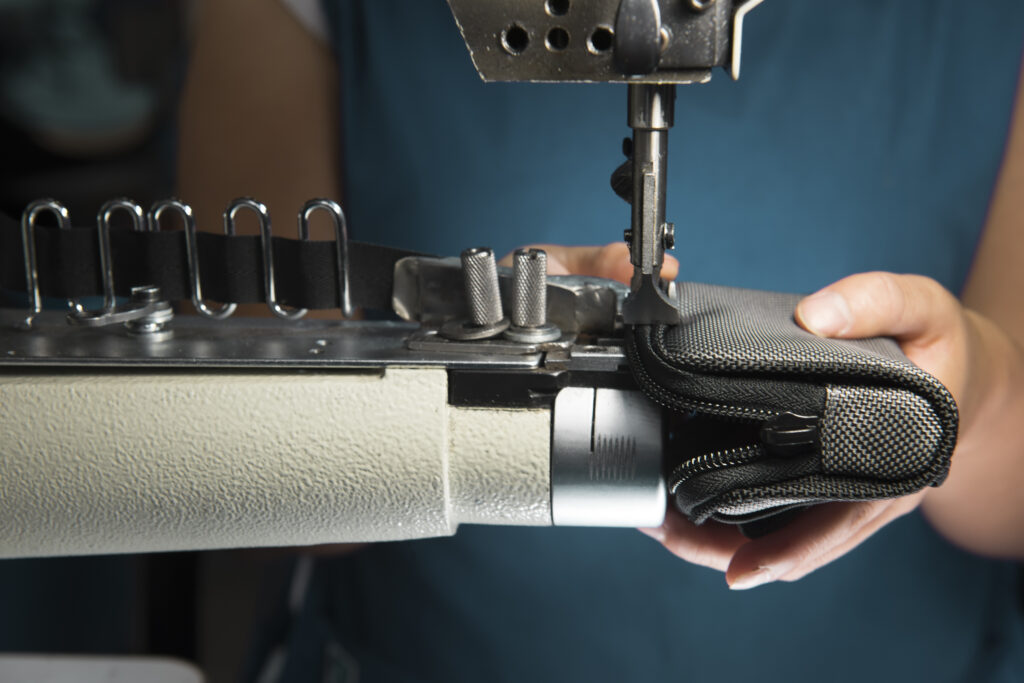
Integrated Kitting, Assembly, and Packaging
Many sewn components are only one part of a larger kit. When a manufacturing partner also provides medical device kitting, assembly, pouching, and labeling, the entire workflow becomes more efficient. Consistent labeling, traceability, and packaging help healthcare teams rely on the final product without confusion or extra handling steps.
This integration matters in:
- Emergency care kits
- Perinatal monitoring kits
- Wearable device starter kits
- Postoperative recovery sets
- Chronic disease management packs
A capable sewing contractor doesn’t just supply textile components—they strengthen the entire distribution pipeline.
How Sewn Components Strengthen Patient Care Across Clinical Environments
Across modern healthcare, textile-based components support care at the bedside, in transit, and at home. Their influence stretches far beyond aesthetics or comfort. They shape how safely, accurately, and consistently a device performs.
Emergency Care
Paramedics and emergency teams depend on straps, covers, and stabilization tools that:
- Deploy fast
- Hold securely
- Resist chemical exposure
- Survive unpredictable environmental conditions
In these scenarios, textile reliability becomes synonymous with patient stability.
Chronic Disease Management
Patients relying on a glucose monitor, cardiac patch, or long-term wearable medical devices depend on textiles that:
- Stay comfortable during movement
- Resist sweat and daily wear
- Stabilize sensors without over-tightening
- Prevent skin irritation
A properly engineered textile component increases treatment adherence and data accuracy at the same time.
Postoperative Recovery
Soft, breathable materials support:
- Therapeutic compression
- Surgical site protection
- Equipment stabilization
- Patient mobility
In these cases, the textile component directly affects recovery comfort.
These examples illustrate why experienced sewing contractors must understand patient interaction, fabric science, and the mechanics of medical devices—not just stitching.
Material Science: How Fabric Selection Shapes the End Product
Every sewn medical component begins with the patient, and that drives the fabric decision. That choice influences comfort, mechanical performance, regulatory feasibility, and how well the product integrates with hardware or sensors. Material science sits at the core of effective textile-based device design, because fabrics behave differently under tension, moisture, heat, and movement—and the stakes are much higher when the product interacts with patients.
An experienced sewing contractor evaluates materials not only by what they are, but by how they behave once cut, stitched, laundered, or sterilized.
- Woven Fabrics:
Provide structure, durability, and consistent dimensional stability.
- Nonwoven Fabrics:
Useful for disposable components, filtration, and moisture management.
- Industrial Fabrics:
Designed for heavy load cycles, equipment covers, and abrasion resistance.
- Recyclable Materials:
Increasingly used in products designed with sustainable practices in mind.
Good fabric selection acknowledges human factors, device interaction, lifecycle expectations, cost constraints, and regulatory implications.
Human-Factors Design for Real-Life Usability
Even the most advanced device will fall short if patients struggle to use it. Human-factors design serves as the bridge between engineering intent and daily wearability. It guides the geometry of straps, softness of edges, placement of seams, and how a sewn component responds to motion.
Sewn components interact with the human body more intimately than rigid housings or electronics. They compress, stretch, breathe, and follow the contours of the skin. A skilled sewing contractor understands how to design around those realities to reduce irritation, prevent pressure points, and improve patient compliance.
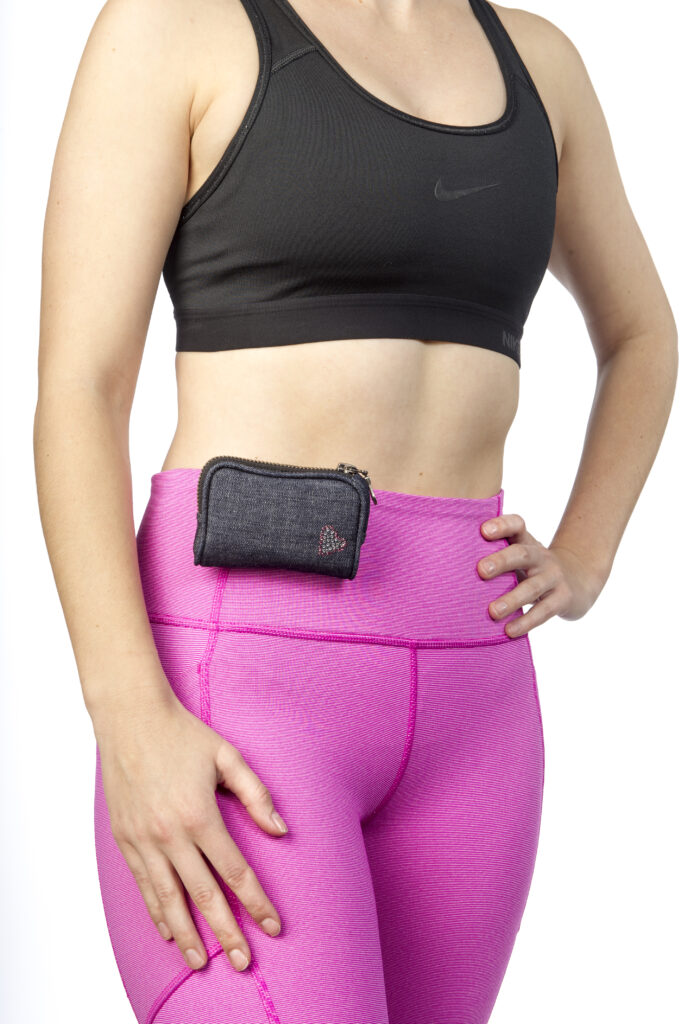
Key Considerations in Human-Factors Design
- Friction behavior: preventing rubbing during long wear
- Moisture interaction: supporting sweat dissipation during activity
- Edge finishing: reducing abrasion and redness
- Adjustability: supporting diverse body shapes
- Orientation cues: helping users position devices correctly
- Thermal behavior: avoiding heat buildup beneath sensors
A well-designed textile component makes the device feel intuitive and comfortable—not restrictive. This focus is not abstract; human factors and usability problems are repeatedly identified in regulatory safety communications and post-market surveillance as contributors to device complaints and adverse events.
Improving Clinical Workflows With Better Design
Human-factors principles also help clinicians. Thoughtful kit design and smart textile choices create products that:
- Apply quickly
- Reduce retraining issues
- Limit application errors
- Improve user comfort
- Save time during repeated procedures.
Textiles That Support Modern Digital Health & Applied Analytics
As healthcare shifts toward continuous monitoring and predictive models, textile components take on a new level of responsibility. Sensors must stay in precisely the right place for accurate real-time data collection, whether used in cardiac assessments, glucose trend tracking, or research-grade wearables.
The sewn component becomes the stabilizer, insulation, and anchor—quietly enabling the accuracy of the entire system. In practice, they enable:
- Clinical-grade wearables
- Continuous glucose monitoring cases
- Chest straps for medical-grade monitoring
- Pockets for wearable biosensors
- Compression elements that align patches
- Multi-layer housings for thermal or electrical insulation
When the textile behaves consistently, the data becomes more reliable, and device performance improves.
Conclusion
Sewn components may look simple, yet they often determine whether advanced technologies can be worn comfortably, trusted by clinicians, and used consistently in daily life. The urgency behind getting these elements right is reflected in market trends: the global wearable medical devices market reached USD 91.21 billion in 2024 and is projected to climb past USD 324 billion by 2032, underscoring how many devices now rely on textile-based interfaces.
Experienced sewing partners help device makers move from concept to commercial-ready products with fewer setbacks. Their understanding of materials, process control, and validated production methods creates a stable foundation for scale.
With ISO 13485 systems in place, PRO-TECH Design supports everything from early product development to full-scale production, making it easier for innovators to deliver reliable products that stand up to real clinical use.
Whether you’re refining an existing textile component or developing a new sewn assembly, PRO-TECH Design can guide you through material selection, prototyping, validation, and scalable manufacturing. Reach out to start the conversation.
FAQs
- What are the main sewn medical product benefits?
They include stability, comfort, long-term durability, controlled stretch, and compatibility with device sensors used in numerous healthcare applications.
- Why work with an ISO 13485 sewing contractor?
It allows projects to move through regulated workflows supported by validated processes, documented controls, and reliable traceability.
- What types of sewn components support wearable medical devices?
Straps, carrying cases, flexible sleeves, reinforced sensor pockets, compression elements, and protective covers all support modern wearable systems.
- Can sewn products be included in medical device kitting?
Yes. Many programs include labeling, assembly, and packaging in addition to sewing and finishing.
- What factors influence fabric selection?
Durability, skin compatibility, moisture behavior, breathability, stretch response, cleaning resistance, and regulatory considerations all matter.
- Do sewn components support FDA-regulated devices?
When produced within compliant medical device manufacturing environments, sewn components integrate smoothly with FDA regulations and documentation systems.
- Which clinical areas benefit most from custom-sewn fabric products?
Emergency medicine, perinatal monitoring, chronic disease management, postoperative recovery, and digital health research all rely heavily on functional textile components.