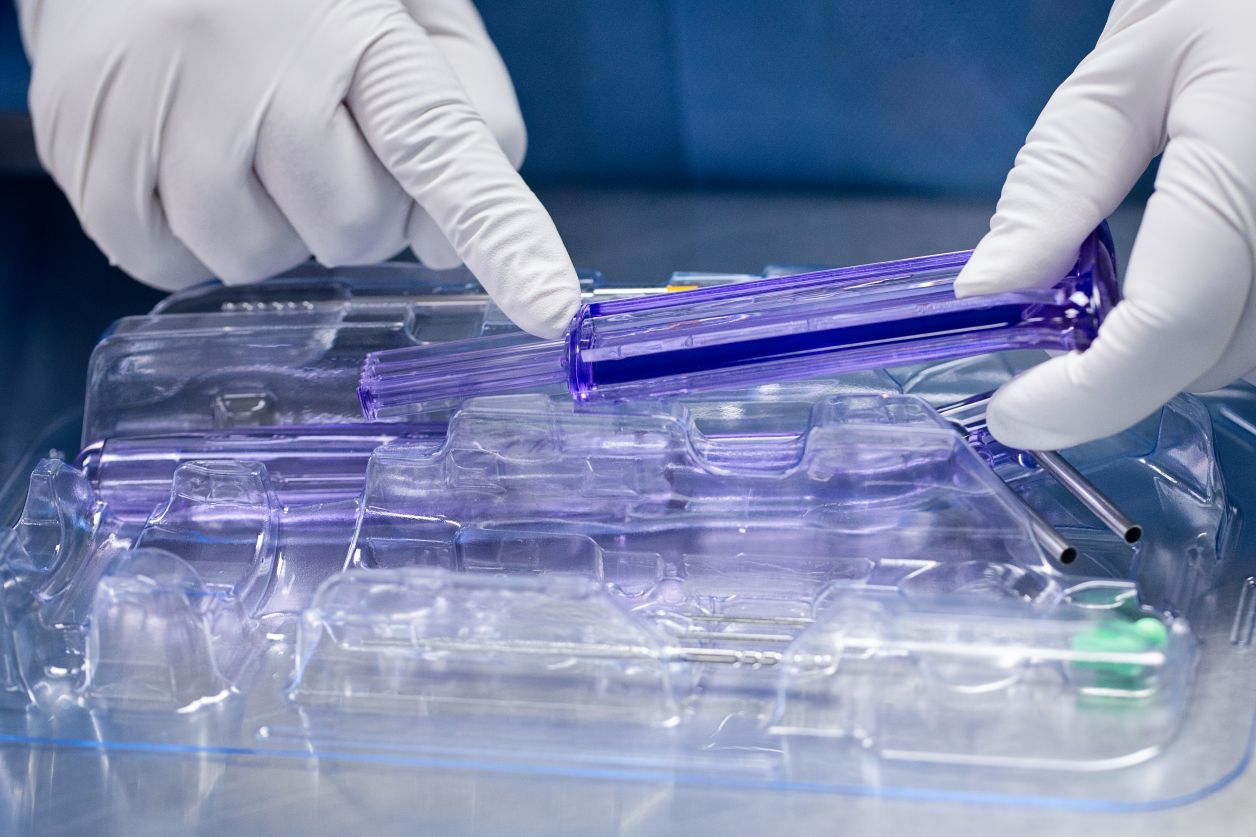
Best Practices for Packaging Medical Devices for Transportation
A device can leave a cleanroom in perfect condition and arrive at a hospital unusable. Nothing about the device changed.

A device can leave a cleanroom in perfect condition and arrive at a hospital unusable. Nothing about the device changed.
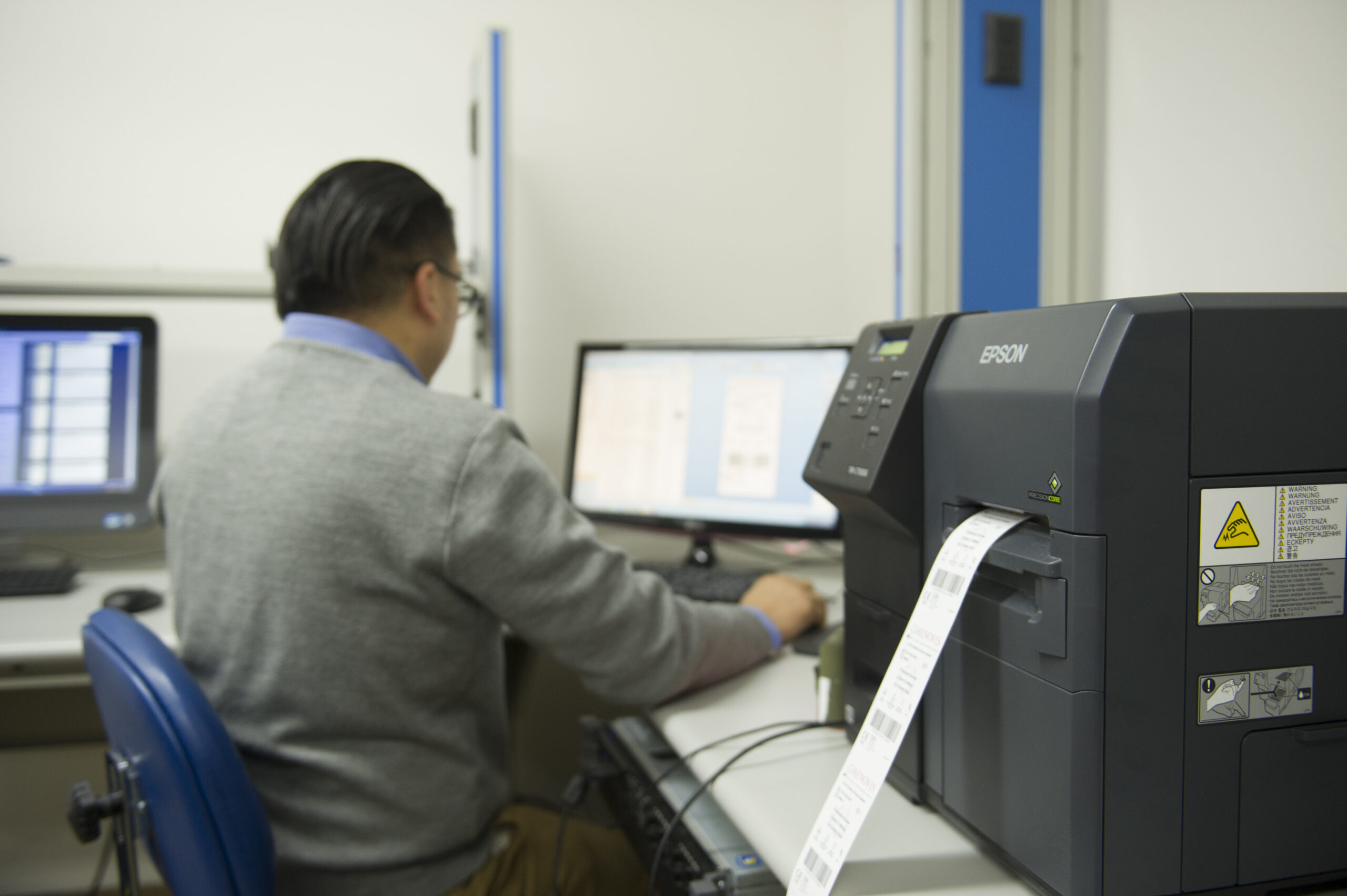
For half a century, the barcode on a medical device carton did one job. It answered a single question — which product is this? — and it gave the same answer at every stop between the packaging line and the sterile field. That answer is no longer enough. Hospitals want to know which lot arrived, […]
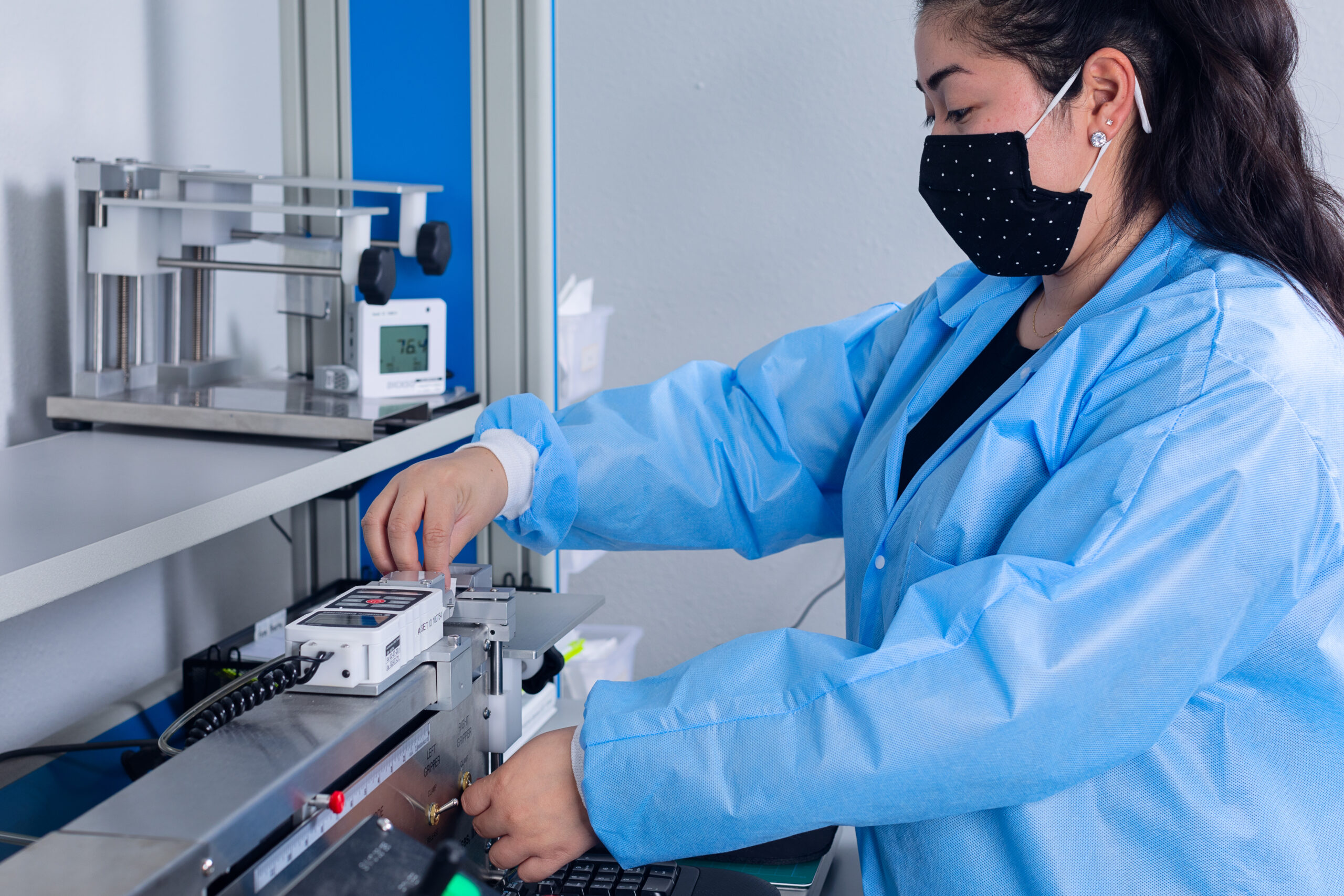
Medical device packaging decisions depend on evidence. A pouch may look well sealed. A tray may appear strong. A carton may seem ready for distribution. However, visual assumptions fail when a package must protect a sterile device through sealing, sterilization, shipping, storage, and point-of-use handling. This reality elevates laboratory testing from a mere final checkpoint […]
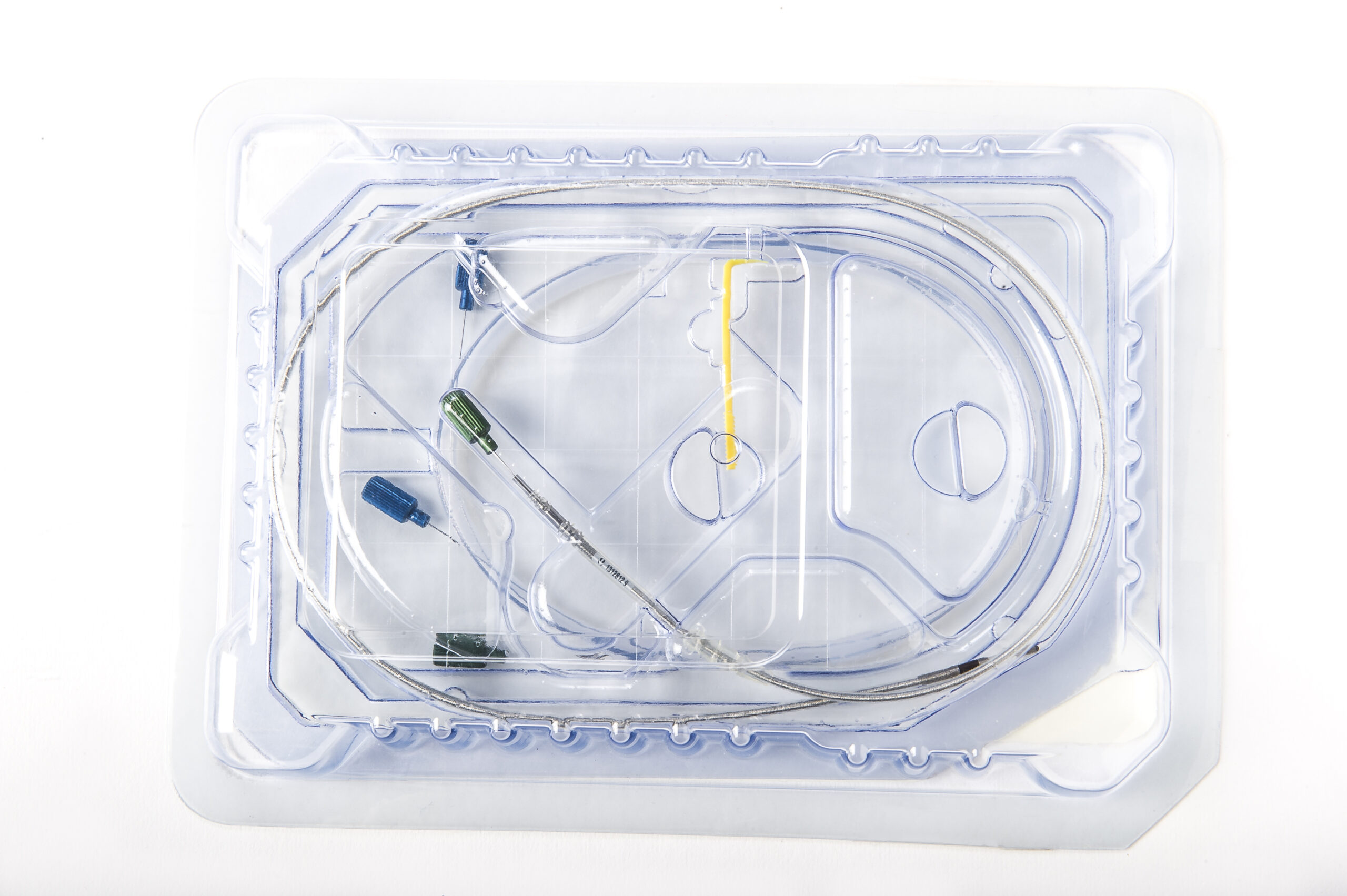
Sensitive neurostimulation products carry a different packaging burden than many standard instruments or accessories. A pouch, tray, carton, or shipper must protect physical components, preserve product integrity, support sterilization, maintain the sterile barrier when sterility is required, and reduce shipping risk before the device reaches a clinical team. For medical device manufacturers, the stakes are […]
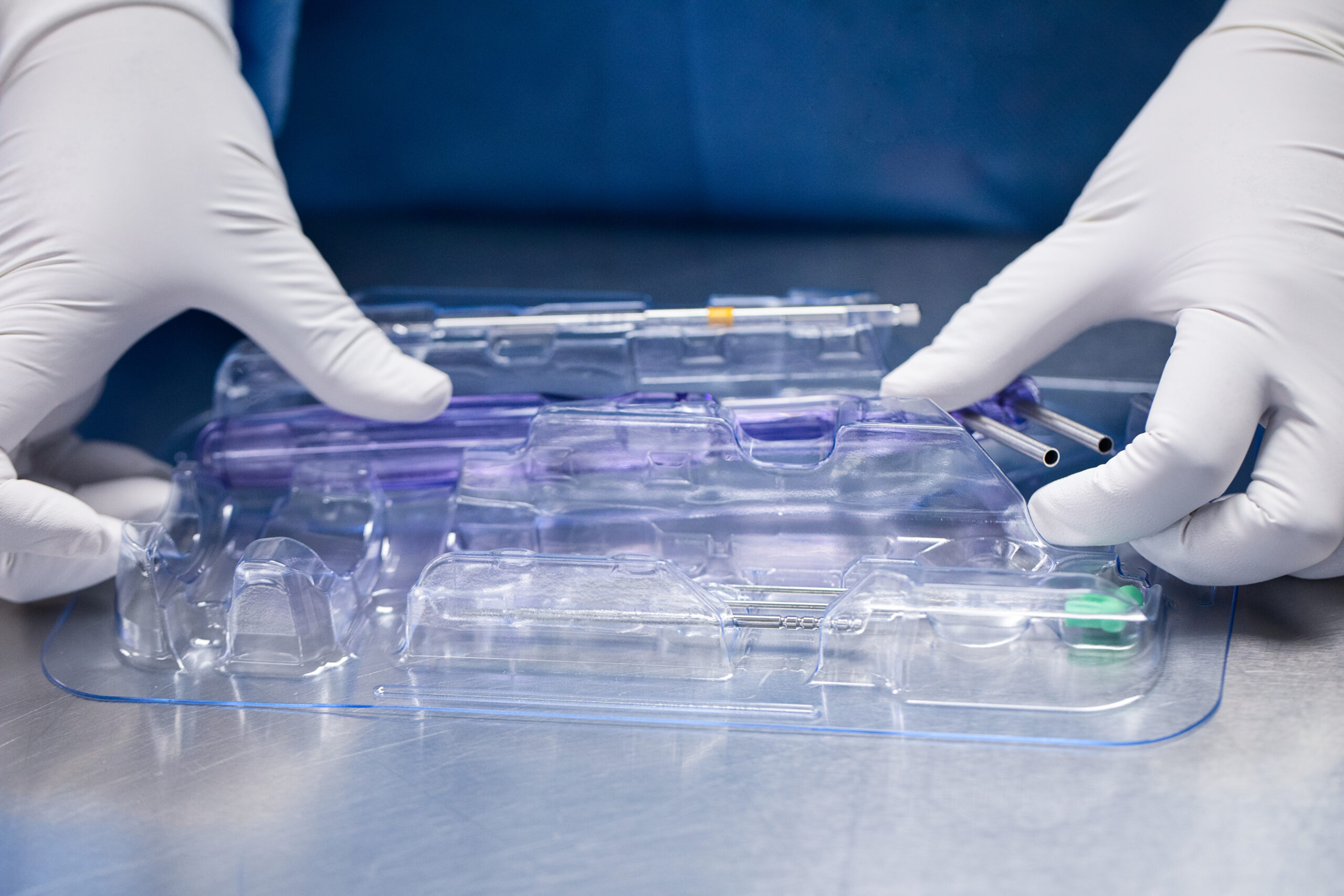
Choosing between pouching, trays, and form-fill-seal is rarely a simple packaging exercise. For a medical device OEM, the format affects sterility maintenance, device protection, production speed, validation work, sterilization compatibility, freight, and the user’s first contact with the product. This buyer’s guide compares pouch vs tray vs form-fill-seal options for sterile devices. It also gives […]

What happens when one delayed shipment, one missing component, or one closed supplier facility interrupts patient care? In medical manufacturing, a single disruption can move quickly through the supply chain, with recent survey data indicating that 45% of patients in certain major markets have personally experienced medical device shortages, highlighting the direct link between supply […]